You’re Not Broken. You’ve Adapted.
There is a particular kind of pain that comes from feeling broken.
Not just hurt. Not just tired. Not just overwhelmed.
Broken.
As if something in you is defective. As if everyone else was issued with the correct instructions for being a person, and yours got lost somewhere. As if other people can move through life with ease, clarity and self-trust, while you keep finding yourself in the same old patterns: saying yes when you mean no, shrinking when you want to speak, performing competence when what you really need is rest.
If that feels familiar, I want to offer another possibility.
You may not be broken.
You may have adapted.
Adaptation is not failure
Human beings are astonishingly adaptable.
We learn what helps us survive. We learn what keeps us safe. We learn what gets us connection, approval, attention, calm, praise, or simply a little less conflict.
If you grew up in an environment where being easy-going kept the peace, you may have learned to become easy-going.
If being impressive brought praise, you may have learned to perform.
If being quiet meant you were less likely to be criticised, you may have learned not to take up too much space.
If other people’s needs always seemed more urgent than yours, you may have learned to become useful, helpful, low-maintenance, undemanding.
None of this means you were weak. It means you were paying attention.
A child does not sit down with a notebook and calmly develop a life strategy. A child feels the emotional weather around them and adapts. They learn, often without words, what is safe and what is dangerous. What is allowed and what is not. What gets love and what risks losing it.
And then, because these strategies work well enough, they become familiar. They become automatic. They become part of who we think we are.
The bonsai tree is still a tree
I often think about this through the image of a bonsai tree.
A bonsai tree is not a failed tree. It is not a dead tree. It is not less real because it grew in constrained conditions.
It is still, fully and completely, a tree.
In fact, bonsai trees can be astonishingly strong and long-lived. They can survive for hundreds of years. They are shaped, tended, limited, trained, contained – but they are not defective.
And perhaps that is one way to think about some of our own adaptations.
A person may grow around the conditions they were given. They may become careful, watchful, pleasing, high-achieving, funny, useful, impressive, invisible, hyper-independent, emotionally fluent, emotionally shut down, or exquisitely tuned to everyone else’s needs.
Those patterns may have helped them survive.
But they may also have limited the full expression of who they are.
When the scaffolding starts to feel like a cage
The difficulty is that adaptations often outlive the circumstances that created them.
The child who learned to stay small may become an adult who cannot bear to be seen.
The child who learned to be perfect may become an adult who is terrified of making ordinary mistakes.
The child who learned to be helpful may become an adult who volunteers before they have had time to ask, “Do I actually want to do this?”
The child who learned that good marks brought approval may become an adult who can only feel valuable when they are producing, achieving, earning, proving, or being externally recognised.
At one time, the pattern may have supported you.
Eventually, the scaffolding that once supported you can start to feel like a cage.
You may still be functioning. You may still be capable. You may still be the person everyone relies on.
But inside, something may begin to protest.
Perhaps the exhaustion stops lifting. Perhaps rest no longer works. Perhaps a relationship ends, a child leaves home, a parent becomes ill, a promotion goes to someone else, or the body simply says: no more.
Sometimes the wake-up call is dramatic. Sometimes it is quiet.
A slow loss of spark.
A bitterness you do not like in yourself.
A sense that you have built a life around being needed, useful or impressive – and still do not feel known.
Pain is not proof that you are defective
None of this means pain is good.
I do not believe trauma is secretly beneficial, or that people should be grateful for suffering because it made them stronger. That idea can become cruel – even dangerous – very quickly.
But I also do not think a life without pain, rupture, damage, or difficulty is possible.
We live in bodies that change. We love people we can lose. We make choices without knowing everything. We disappoint others. We get disappointed. We grow through things we would never have chosen.
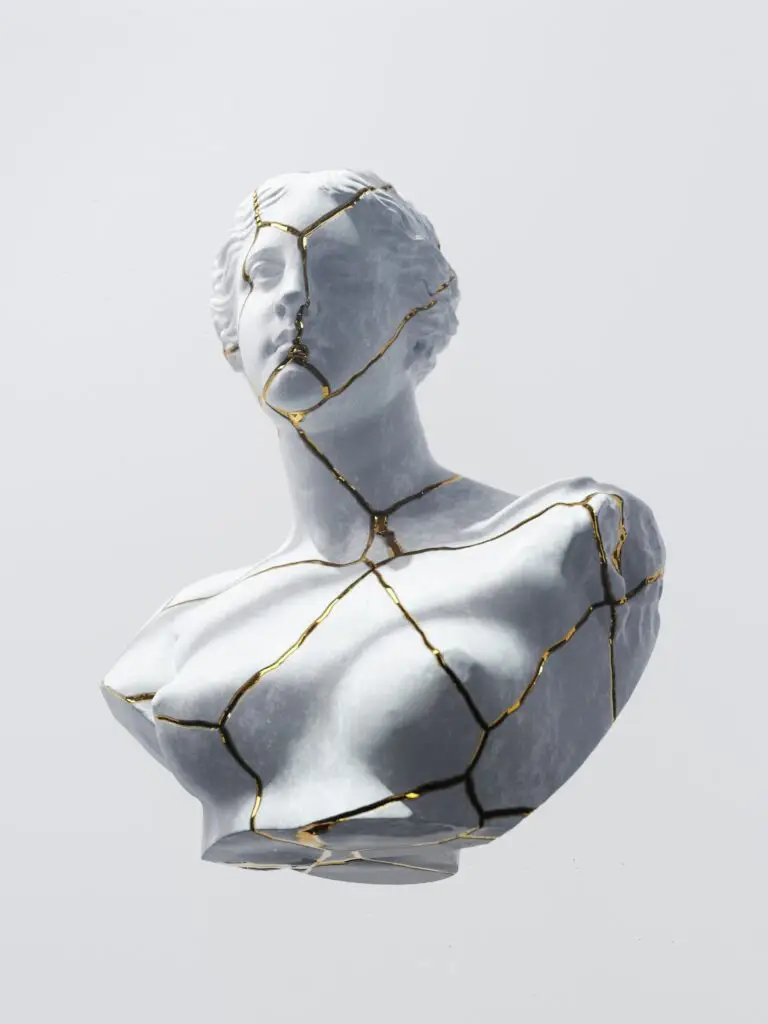
Pain can feel unbearable. It can leave marks. It can create cracks.
But cracks are not always the end of the story.
There is the Japanese art of kintsugi, where broken pottery is repaired with gold, making the repair part of the beauty of the object rather than something to hide. There is the weld that can become stronger than the unbroken sheet metal. There is dough that has to be kneaded before it rises, muscle that grows through stress and rest, soil that has to be opened before something new can take root.
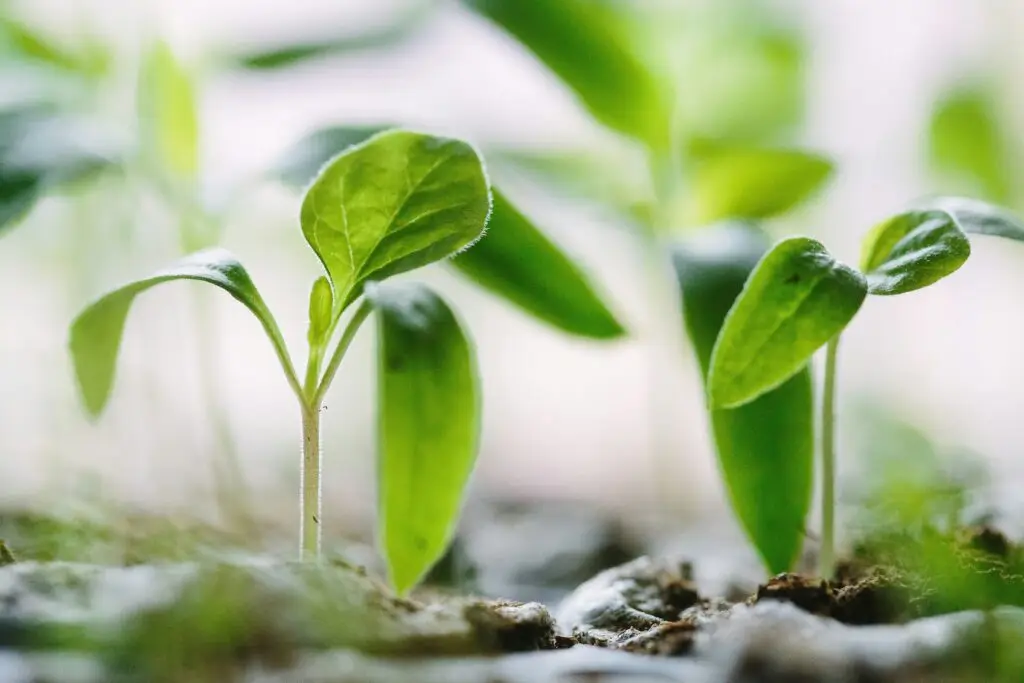
Even a seed has to split for the life inside it to grow.
That does not make pain desirable. It does not make harm acceptable. It does not mean we should romanticise suffering.
It simply means that feeling damaged does not mean you are beyond repair.
The old strategy made sense once
Many people who come to counselling already know a lot about themselves.
They may know they people-please. They may know they over-function. They may know they seek approval, avoid conflict, fear disappointing people, or struggle to say no.
But knowing the pattern is not always enough to change it.
Because the pattern is not random. It has roots.
Perhaps being agreeable really did keep you safer. Perhaps being impressive really did bring the only reliable recognition available. Perhaps being invisible really did help you avoid becoming a problem in a family already stretched thin by illness, conflict, addiction, grief, exhaustion, or emotional immaturity.
Perhaps you learned that your worth could be measured in grades, praise, job titles, salaries, usefulness, or being no trouble at all.
And perhaps now, without those external measures, you feel frighteningly uncertain of your value.
That is not brokenness.
That is adaptation.
But it may be adaptation that has become too costly.
What healing might begin to mean
Healing is not about becoming someone entirely new.
It is not about cutting off the parts of you that learned to cope. It is not about shaming the younger self who found a way through. It is not about forcing confidence, performing assertiveness, or pretending that old fears no longer touch you.
It may begin more gently than that.
With noticing.
With curiosity.
With asking: how did I learn to live this way?
What did I have to become?
What did I have to hide?
What did I have to believe about myself?
What did this pattern protect?
And what is it costing me now?
Over time, therapy can help you understand the patterns that shaped you, why they still have such a hold, and what other options might become possible.
Not instantly. Not perfectly. Not always comfortably.
But perhaps with more awareness, more self-trust, and more room to grow.
A reflection for this week
For the next seven days, try spending 10-15 minutes a day with this question:
In what ways do I feel broken?
Write without self-editing. No judgement. No need to make it wise, kind, fair or coherent.
Let the words come as they are.
You might notice familiar themes. You might find old beliefs. You might discover grief, anger, tenderness, shame, or something you did not know you were carrying.
You do not have to do anything with it yet.
Just notice.
Because sometimes the first movement away from “I am broken” is not immediately believing “I am whole.”
Sometimes it is simply becoming curious about the story you have been telling yourself.
And wondering whether there might be another way to understand it.